Greek-inspired vegan cooking builds flavor from everyday ingredients: briny olives, hearty beans, fresh herbs, ripe vegetables, and grains. Knowing what each ingredient contributes makes it easier to understand a menu, adapt a recipe, or create a satisfying meal at home. Plant-based versions of familiar Greek dishes can also use ingredients such as tofu or dairy-free yogurt. Here’s a practical guide to the staples and how cooks put them to work.
Olives and Olive Oil
Olives bring saltiness, a little bitterness, and a rich, savory taste. Kalamata olives are often dark and fruity, while green olives can taste firmer and sharper. Use them in salads, grain bowls, spreads, or sauces. If a dish already includes salty olives, taste it before adding more salt.
Olive oil adds aroma and a smooth finish. It can form the base of a dressing, help vegetables roast, or be drizzled over beans and greens before serving. Extra-virgin olive oil has a noticeable flavor, so choose it when you want the oil itself to stand out; use a milder cooking oil when you prefer other ingredients to lead.
Legumes for Hearty Meals
Chickpeas, lentils, and beans supply substance and plant-based protein. Chickpeas work well in salads, stews, and spreads. Lentils cook into a filling base for soups or vegetable dishes, while white beans can make a broth feel creamy without dairy. Canned legumes are convenient; rinse and drain them to remove excess packing liquid and help manage salt.
For a quick meal, combine cooked legumes with chopped tomato, cucumber, red onion, herbs, lemon juice, and olive oil. Warm legumes can also absorb seasoning in a stew or sauce. If cooking dried beans, follow package directions and make sure they are fully tender before serving.
Herbs, Lemon, and Vegetables
Oregano, parsley, dill, and mint each add a different note. Oregano is earthy and aromatic, parsley tastes fresh, dill has a gentle grassy flavor, and mint brings coolness. Use dried oregano during cooking and add tender fresh herbs near the end so their flavor stays bright. A small amount of chopped herbs can lift a simple bean or vegetable dish.
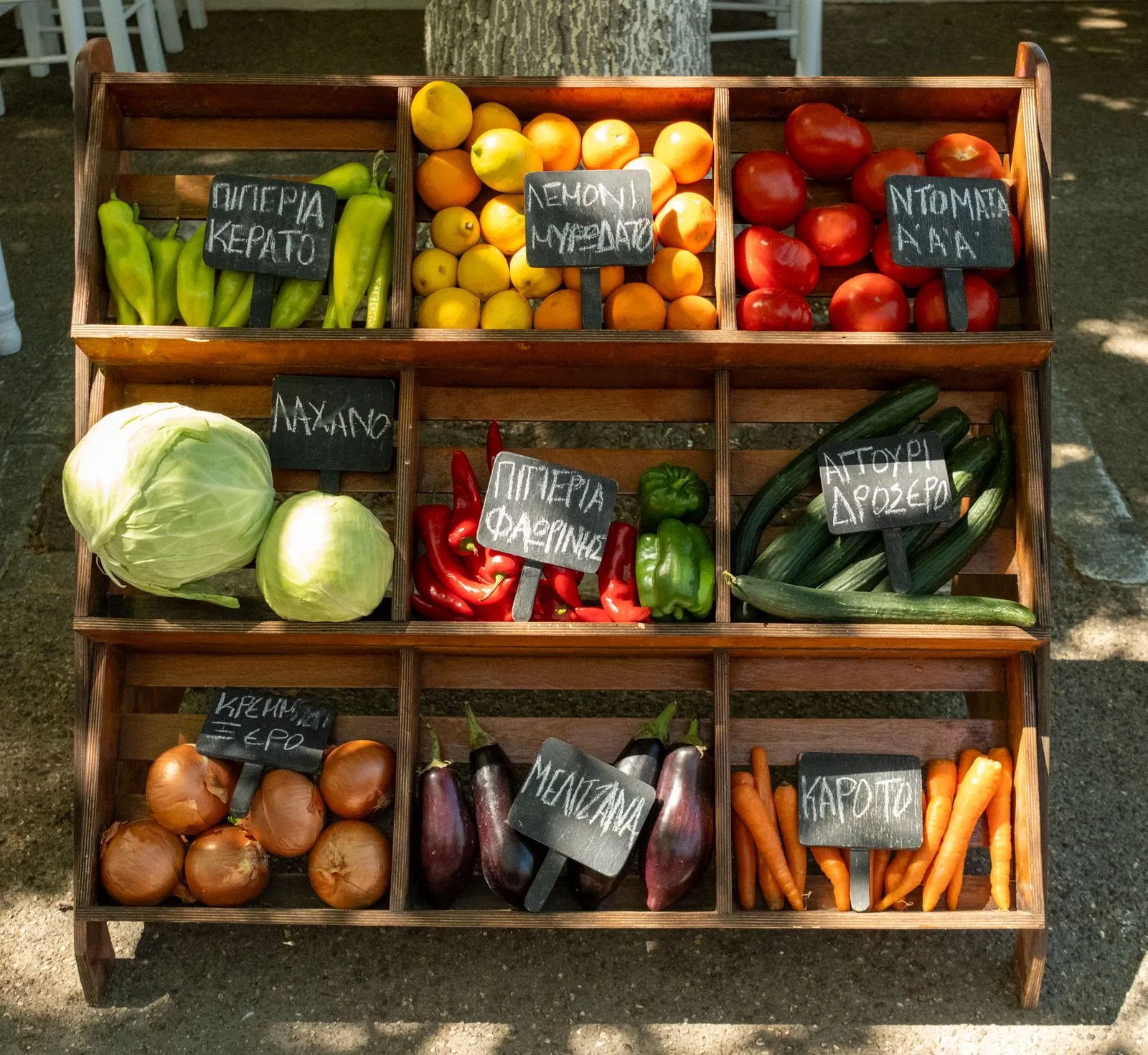
Lemon juice gives food a clean, tangy finish and can balance the richness of olive oil or creamy spreads. Tomatoes, cucumbers, eggplant, peppers, leafy greens, and onions offer color and varied textures. Roast or grill vegetables for deeper flavor, or serve crisp vegetables raw alongside dips and warm bread.
Grains and Plant-Based Swaps
Rice, bulgur, and other grains make a useful base for vegetables, legumes, and sauces. Choose a grain with a texture that suits the dish: fluffy rice works well under a stew, while bulgur can add a pleasantly chewy element to a chopped salad. Check cooking instructions and season the cooking water lightly for more flavorful results.
To make familiar dishes plant-based, cooks may use tofu, dairy-free yogurt, or blended nuts in place of certain dairy ingredients. Plain, unsweetened dairy-free yogurt can work in a cucumber-herb dip; tofu can add substance to a savory filling. Read labels for added sweeteners and seasonings, then adjust lemon, salt, garlic, and herbs to suit the recipe.
A well-stocked Greek-inspired vegan kitchen can start with a few essentials: olive oil, olives, legumes, lemon, herbs, vegetables, and a favorite grain. Add plant-based swaps when a recipe calls for a creamy or hearty element, and taste as you go. Explore these flavors in a new recipe or ask Olive & Thyme about the ingredients in a dish.